I bail out pretty fast when a game makes me fight the page before I can even settle into a round. Fishing games are extra sensitive to that. If the water looks muddy, the fish movement reads badly, or the coin pop feels late, the whole thing loses its charm. When the basics are right, though, this genre is oddly easy to keep reopening.
1. Games that open fast always get another chance
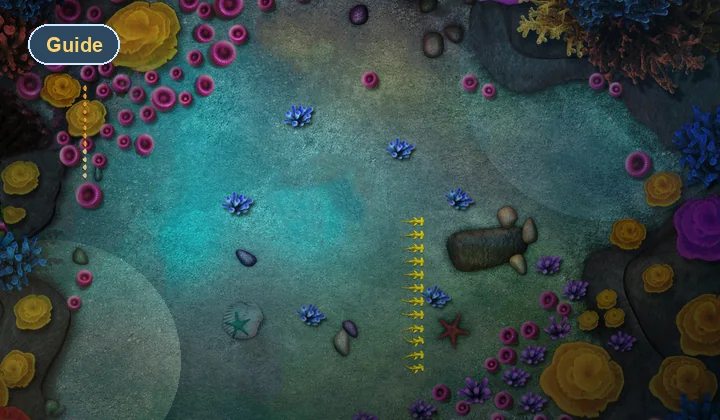
The first thing I notice is how quickly the game gets to the point. I do not need a fake intro or six stacked promo blocks. I want to see fish moving, understand where my shots are going, and get a hit or miss that feels immediate. That is why Deep Sea Mode works so well as a first stop. The action is close to the top, the ocean scenery has room, and the bigger fish stay on screen long enough to read.
That speed matters more than people admit. A browser game already lives in a context full of distractions. If it is not ready to play quickly, there are twenty other tabs waiting to steal the next click.
2. Good fishing games teach through motion, not paragraphs
The better games let the screen do most of the explaining. One lane moves slower, another fish darts diagonally, then a larger target drifts through the middle and suddenly you realize you should lead the shot instead of clicking straight at the nose. That kind of learning feels good because it comes from play, not from a lecture box.
A page can still help a little. A quick hint like “aim ahead of fast fish” or “big fish move slower but pay more” is useful. A giant explanation block is not. That is the line I keep coming back to when I decide whether a game page feels real or not.
3. The reward pop has to land quickly
Fishing games are not deep strategy titles. They live and die on feedback. A hit should feel like a hit. Coins, flashes, score changes, or little bursts of motion all help. If that response is late or weak, the loop starts feeling hollow even if the art looks nice.
This is one reason I like route pages that shift the mood around the same core game. Ocean Hunter feels sharper because the framing nudges you toward quicker reads and prediction shots, while the underlying feedback still stays readable.
4. Variety matters, even in a small site
I rarely stay on a game site that only offers one flavor of the same exact thing. You do not need a huge catalog, but you do need a sense that the place has a point of view. A main fishing route, a faster route, and one bright side game is already enough to make a site feel like somewhere you might come back to.
That is also why a page like Classic Arcade helps. It changes the mood without pretending to be a massive library. It feels like a real little detour instead of a fake “recommended products” block.
5. Clear screens beat fancy promises
The fishing games I keep reopening are usually the ones that respect the screen. They do not bury the canvas under filler. They do not crowd the click zone with weird distractions. They do not explain themselves to death. They just let the player settle into the rhythm and start noticing where the fish tend to break.
If you want a fishing game to feel replayable, that is the real test: does the page help you play, or does it keep asking you to admire the page first?
The short version
The fishing browser games I keep playing are not always the biggest or flashiest ones. They are the ones with clear motion, quick feedback, and layouts that stay out of the way. If the first thirty seconds feel smooth, the next five minutes usually take care of themselves.
If you want to try that kind of flow right away, start with Deep Sea Mode, jump to Ocean Hunter once your hands warm up, and save Classic Arcade for a bright reset after too much underwater tunnel vision.